
Vol.11, April 2026
May Benefits Rundown: Open enrollment prep, Form 11-K + more
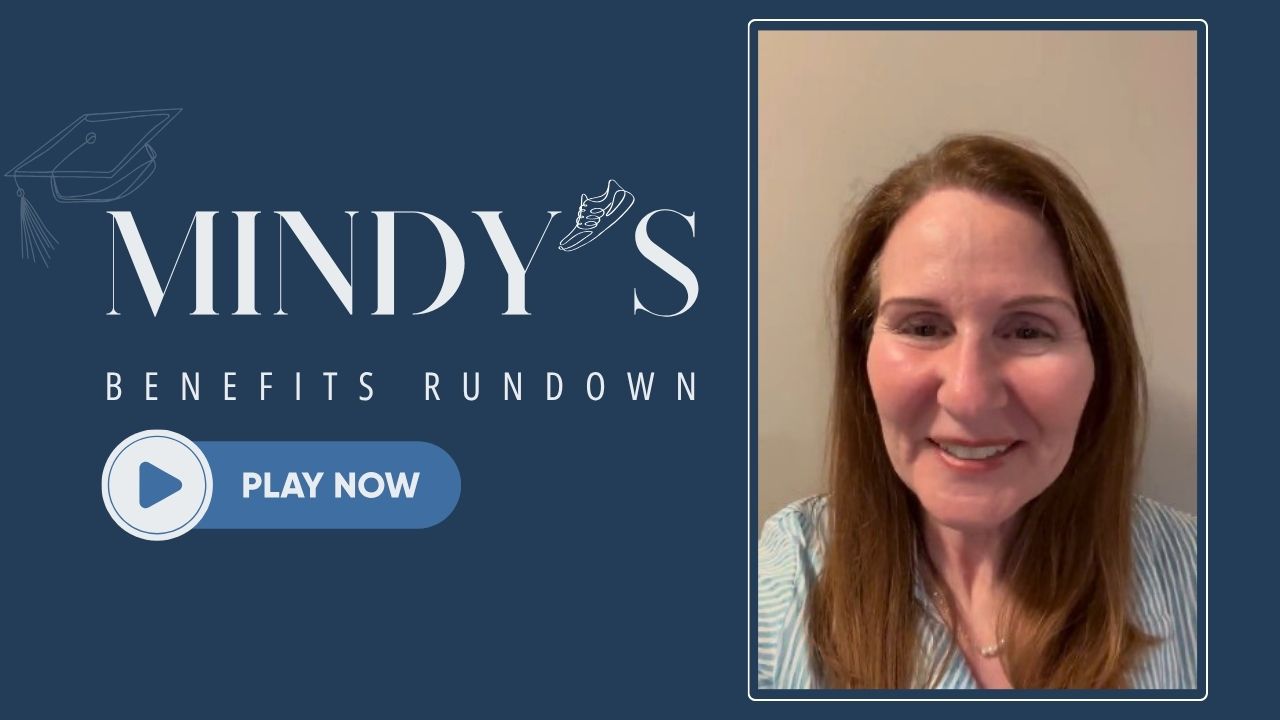
May is a special time of year for those celebrating graduations. Our family is marking one this month as my youngest son, Dylan, finishes college.
I remember feeling like finishing my formal education was a huge accomplishment—and a relief. But it didn’t take long to realize that we’re all lifelong learners in one way or another. That’s especially true in the benefits industry, where there’s always something new to keep up with, from regulatory changes to new approaches in administration.
For those who love the benefits space as much as I do, my monthly Recommended Reading selections (below) are intended to help you stay informed. But no matter what holds your interest, I encourage you to make time to keep learning.
‘Til next time,
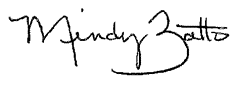
Mindy Zatto, FSA, EA, FCA, MAAA, MSPA
Founding Principal, SBA
This Month at SBA
A quick look at what’s new, noteworthy, or just plain useful from our team.

Case study: Filing Form 11-K after consolidating three plans
When a global manufacturer consolidated three separate 401(k) plans, it was left with three audit reports, no experienced staff, and an approaching SEC filing deadline. SBA stepped in to manage the Form 11-K process end to end—reconciling financial data across the legacy plans, aligning reporting formats, and coordinating the submission. SBA’s work ensured an accurate, timely filing and brought structure to a complex reporting challenge.

Getting open enrollment right when it matters most
As plan sponsors begin gearing up for the next enrollment cycle, this piece from SBA’s Kim Shumate, originally published in Employee Benefit News, offers a timely reminder that strong outcomes depend on more than just meeting deadlines. Changes in plan design, workforce, and regulation can introduce complexity quickly—and small gaps in data, communication, or training can create downstream issues. The article highlights three areas where focused effort can make a meaningful difference: systems and data, employee communications, and team readiness.
Ask the Principals
Our leadership team tackles tough questions from plan sponsors like you.

A: The answer starts with understanding what you’re paying for. Actuarial services typically include a mix of routine work and more complex, non-routine projects, and the effort required can vary significantly between the two.
At a basic level, it helps to separate routine services from non-routine work. Routine services include annual valuations, required filings, and standard compliance deliverables. These tend to be more predictable and easier to benchmark. Non-routine work—such as special projects, plan changes, or unique calculations—can vary significantly depending on the situation.
From there, the question becomes whether the scope of services, level of expertise, and amount of effort align with what you’re being charged. Clear documentation, defined deliverables, and transparency around fee structure, including hourly consulting rates, are key. SBA helps plan sponsors evaluate these arrangements, compare them to market practices, and ensure fees are aligned with the value being delivered.
Recommended Reading
Each month, the SBA team curates a selection of standout articles from across the employee benefits landscape. Here’s what caught our attention this month:
Employers are investing in virtual care to close healthcare gaps (Employee Benefit News)
Employers, PBMs face heightened regulatory scrutiny under new federal laws (BenefitsPRO)
Corporate pension funding reaches 18-year high (Plan Adviser)
DOL grants temporary relief on SECURE 2.0 paper statement rules (401(k) Specialist)
Adoption of target dates with annuities expected to accelerate (National Association of Plan Advisors)