
Vol.13, July 2026
July Benefits Rundown: PEP trade-offs, vendor selection + 401(k) operations
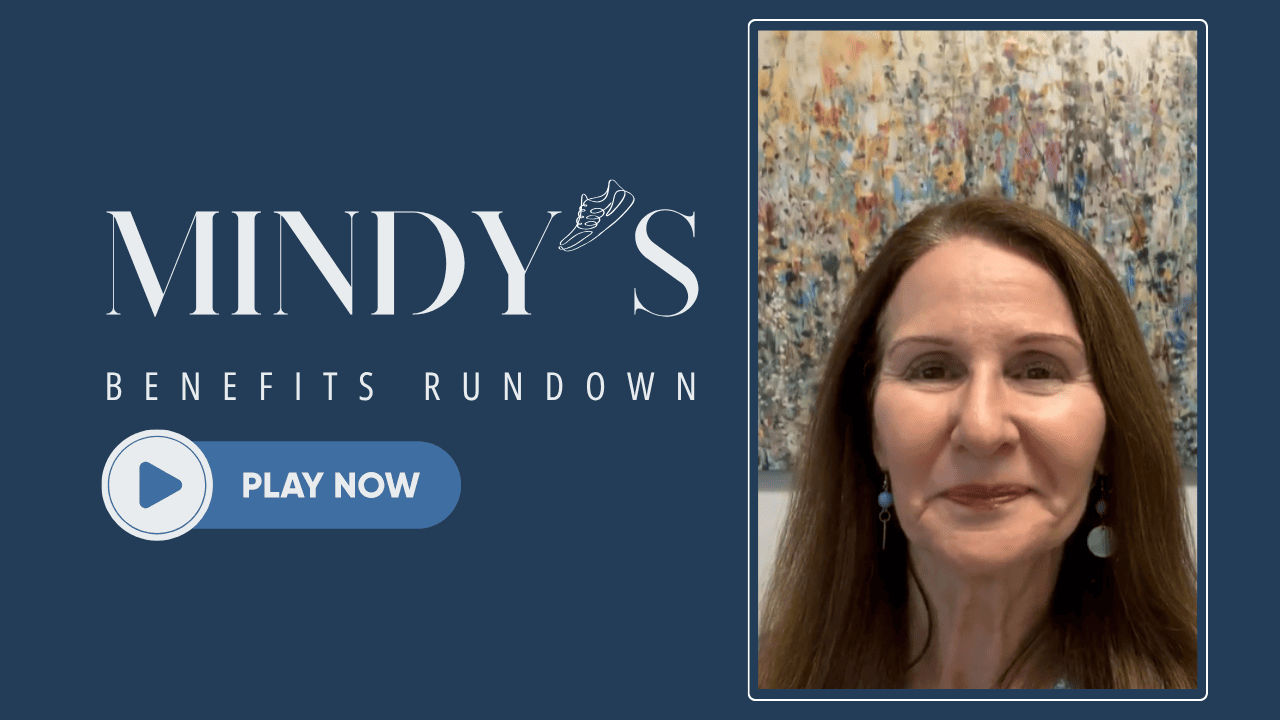
My youngest, who finished undergrad in May, has been looking at graduate programs where he can continue playing baseball. Going into the process, he had one non-negotiable: he wanted to be somewhere warm after four years in the Northeast.
After visiting schools, meeting coaches, and learning more about the programs, he made a different choice. Program quality, culture, and competitiveness ended up mattering more than climate.
It made me think about the vendor selection processes we see in the benefits world. Plan sponsors often start with one clear priority in mind. Lower fees is the classic example, though it could be almost anything. As plan sponsors evaluate providers more closely, other factors like service, expertise, and long-term fit can take on greater importance.
There’s nothing wrong with having a starting point. But the best decisions come from being open-minded and considering the broader context of what you’re trying to achieve.
‘Til next time,
Mindy Zatto, FSA, EA, FCA, MAAA, MSPA
Founding Principal, SBA
This Month at SBA
A quick look at what’s new, noteworthy, or just plain useful from our team.

Case study: 401(k) operations review

The pros and cons of a PEP for larger employers
Ask the Principals
Our leadership team tackles tough questions from plan sponsors like you.

A: Start with clarity: What services do you need, and what outcomes are you expecting? Then create consistent evaluation criteria to compare vendors on more than just price. Look for alignment with your goals, delivery model, and values. Plan sponsors trust SBA to lead the full RFP process, from defining selection criteria to scoring vendor proposals and guiding final decisions.
Whether you’re selecting a benefits administrator, a H&W broker/consultant, or an investment advisor, the fundamentals of smart vendor selection remain the same. It begins with defining your scope and success metrics. What does “good” look like for your team, your participants, and your stakeholders?
Once that’s established, objective, well-structured evaluation criteria help level the playing field. These criteria should reflect your priorities, from user experience and data integration to service model and scalability. That way, vendor comparisons aren’t just about cost—they’re about fit.
SBA has supported vendor evaluations across a wide range of HR and benefits functions. We help plan sponsors identify hidden risks, surface meaningful distinctions, and navigate site visits, demos, fee structures, and contracts with greater confidence. Our goal isn’t just to get you to a decision—it’s to help you make the right one.
Recommended Reading
Each month, the SBA team curates a selection of standout articles from across the employee benefits landscape. Here’s what caught our attention this month:
6 benefits market shifts facing HR leaders (HR Executive)
Most HSA holders use accounts for current expenses rather than long-term saving (Employee Benefit Research Institute)
Youngest workers get a 10-year head start on retirement savings (National Association of Plan Advisors)
DOL may shift employer health plans to e-delivery (BenefitsPRO)